Why Invisalign Provider Matters for Your Business
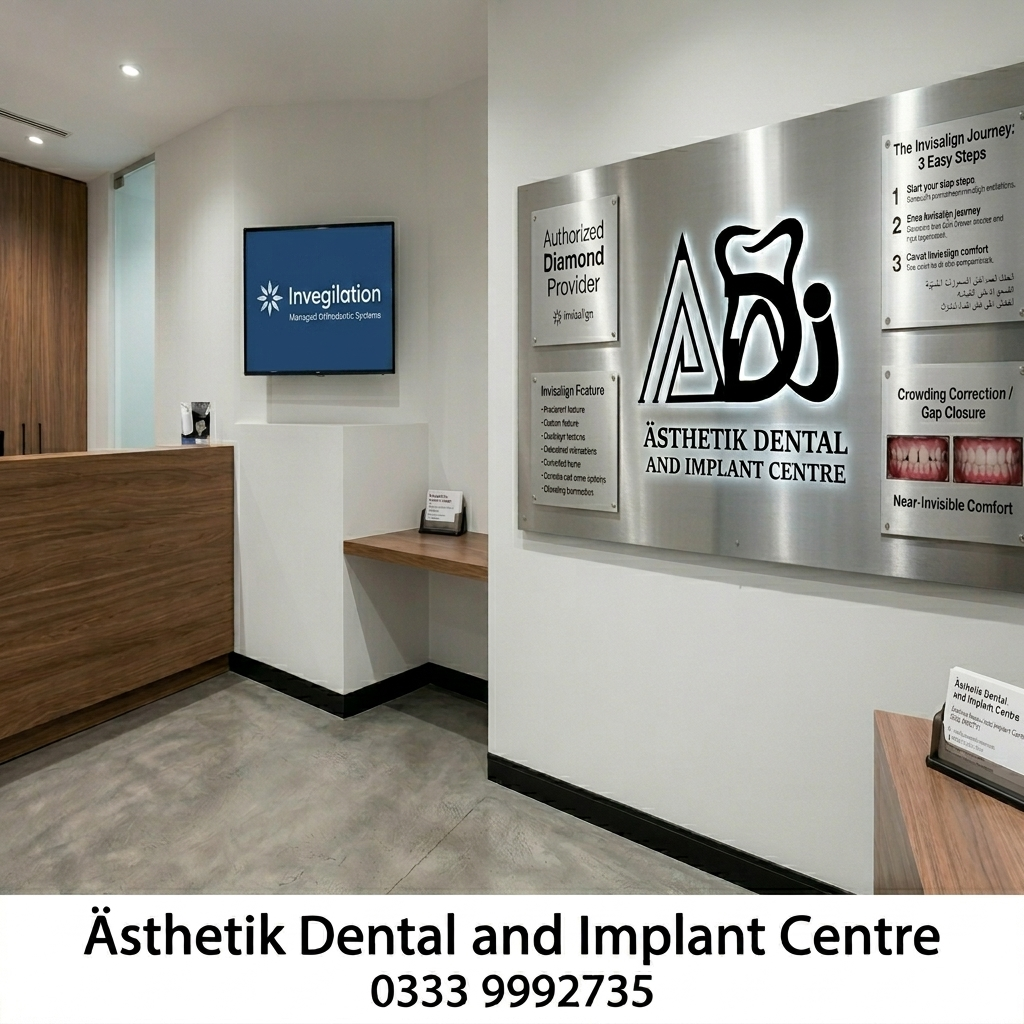
Table of Contents
If you’re a dental practice owner or orthodontist considering Align Technology’s Invisalign system, you may have asked yourself: Does it really matter which Invisalign provider I choose — or who I become as a provider? The answer is an unequivocal yes. The Invisalign provider you work with, and the tier status your practice achieves, has a direct and measurable impact on patient acquisition, treatment quality, case complexity, practice revenue, and brand authority. This article breaks down exactly why Invisalign provider status matters not just clinically, but as a core business strategy.
What Is an Invisalign Provider?
An Invisalign provider is a licensed dental professional — typically a general dentist or orthodontist — who has completed Align Technology’s required training and is certified to prescribe and administer Invisalign clear aligner treatment.
Providers are ranked by Align Technology into a tiered system based on annual case volume:
- Invisalign Provider – Entry-level certification
- Silver Provider – Moderate case volume
- Gold Provider – High-volume practice
- Platinum Provider – Established, high-performing practice
- Diamond Provider – Elite practices with very high case submission
- Black Diamond Provider – The top 1% of global Invisalign providers
Each tier unlocks different levels of clinical support, marketing resources, priority patient referrals, and access to advanced case types.
How Provider Tier Directly Impacts Your Business
1. Patient Trust and Conversion Rates
Today’s dental patients are informed consumers. Before booking a consultation, most will search online, compare providers, and read reviews. When a potential patient sees “Diamond Invisalign Provider” on your website or Google Business Profile, it acts as a powerful trust signal one that can meaningfully increase consultation bookings and case acceptance rates.
Patients naturally associate higher provider tiers with greater experience and better results. This perception drives conversion. A Diamond or Platinum provider is likely to convert a higher percentage of consultations into started cases simply because the credential communicates expertise at a glance.
2. Access to the Invisalign Doctor Site and Advanced Tools
Higher-tier providers gain expanded access to Align Technology’s clinical resources, including advanced treatment planning tools, priority ClinCheck support, and dedicated clinical education. These resources don’t just benefit patients — they reduce your chair time, minimize refinement rates, and improve practice efficiency, all of which directly protect your margins.
3. Invisalign’s Own Patient Referral Program
Align Technology actively promotes its top providers through its own consumer-facing platforms, including the Invisalign Doctor Locator and the Invisalign website’s “Find a Provider” feature — which millions of prospective patients use every year. Higher-tier practices receive greater visibility and preferential placement within these directories.
This means the right Invisalign provider status functions as a passive lead generation engine — driving inbound inquiries without additional marketing spend on your part.
4. Revenue Growth Through Case Complexity
Starter Invisalign providers are typically limited to straightforward cases. As your tier advances, you gain access to complex case types — severe crowding, skeletal discrepancies, open bites, and more. This directly expands your addressable patient population and average case revenue.
A practice capable of treating complex Invisalign cases commands higher fees, experiences less patient attrition to specialist referrals, and builds a reputation as a comprehensive orthodontic destination.
5. Co-Marketing and Brand Support
Diamond and Black Diamond providers often receive co-marketing opportunities with Align Technology, including inclusion in regional and national campaigns, social media spotlights, and promotional materials. These collaborations effectively extend your marketing budget and introduce your practice to new audiences that would otherwise be unreachable.
The Compounding Effect: Why Provider Tier Builds on Itself
One of the most important business dynamics to understand is that Invisalign provider tier growth is self-reinforcing. As you treat more cases, you:
- Develop greater clinical efficiency (faster scans, more accurate ClinCheck submissions)
- Build a library of before-and-after case photos for marketing
- Generate more patient testimonials and reviews
- Rise in Invisalign’s internal referral algorithm
- Attract more complex cases that yield higher revenue
Each of these outcomes feeds the next cycle of growth. Practices that invest early in Invisalign volume experience a compounding return over time — not just in direct Invisalign revenue, but in overall brand authority and patient lifetime value.
FAQ’s
Does it matter if my dentist is a higher-tier Invisalign provider?
Yes — higher-tier providers have treated more cases and have access to advanced clinical tools, which typically leads to better outcomes. They are also more likely to appear in Invisalign’s own patient referral directories, bringing in more leads.
How do I know what tier my Invisalign provider is?
Visit the official Invisalign website and use the “Find a Doctor” locator to check any provider’s tier. Most certified practices also display their tier badge directly on their website.
What is the difference between a Gold and Diamond Invisalign provider?
The primary difference is annual case volume — Diamond providers have treated significantly more cases than Gold providers. This higher volume generally reflects greater clinical experience and familiarity with complex treatment scenarios.
Can a general dentist be an Invisalign provider?
Yes, both general dentists and orthodontists can become certified Invisalign providers after completing Align Technology’s training. For complex cases, however, an orthodontist’s specialized background in tooth movement may offer added expertise.
Key Takeaways
Choosing the right Invisalign provider and strategically investing in growing your own provider tier — is not a peripheral business decision. It is a core growth lever that influences patient trust, inbound lead generation, treatment scope, practice revenue, and long-term brand positioning.
For dental practices in competitive markets, Invisalign provider status is increasingly the differentiator that separates growing practices from stagnant ones. Patients are searching for credentialed, experienced providers. AI search engines are surfacing practices with authority. And Align Technology itself is rewarding its top providers with visibility and resources that compound over time.
The question isn’t whether your Invisalign provider status matters. The question is how quickly you’re willing to make it work for you.