Dental Implant Procedure: Prep, Surgery & Recovery
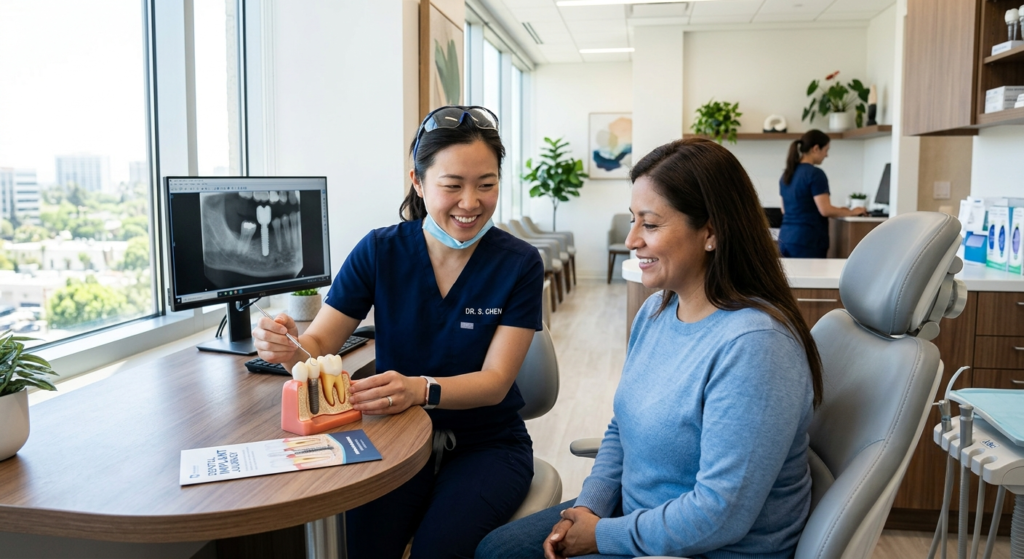
Dental implants have become the gold standard for replacing missing teeth, offering a durable, natural-looking alternative to bridges and dentures. Unlike removable prosthetics, implants are anchored directly into the jawbone, providing stability that closely mimics a natural tooth root. This makes them a preferred choice for patients seeking a long-term solution rather than a temporary fix, since implants can last decades with proper care while also helping preserve the jawbone itself. Missing teeth left untreated often lead to bone loss and shifting of neighboring teeth, so timely treatment matters as much as the choice of treatment.
If you’re considering this option, understanding what happens before, during, and after surgery can help you feel more prepared and confident about the process. From the initial consultation and imaging, through bone preparation if needed, to the surgical placement and healing period, each stage plays an important role in your implant’s long-term success and the strength of your final result.
What Is a Dental Implant?
A dental implant is a small titanium or zirconia post that’s surgically placed into the jawbone to act as an artificial tooth root. Once it fuses with the bone in a process called osseointegration, it can support a crown, bridge, or denture. Because implants integrate with bone, they help preserve jaw structure and prevent the bone loss that often occurs after tooth extraction.
Step 1: Initial Consultation and Evaluation
The process begins with a comprehensive dental exam. Your dentist or oral surgeon will review your medical and dental history, take X-rays or a 3D CT scan, and assess the quality and quantity of your jawbone. This imaging is critical because it reveals whether there’s enough bone to support an implant and helps the surgeon map out the precise location, angle, and depth for placement.
During this visit, the dentist will also evaluate your oral health more broadly, checking for gum disease, tooth decay, or other issues that need to be addressed first. Certain medical conditions, such as uncontrolled diabetes or a history of radiation therapy to the jaw, may affect candidacy or require special precautions. Smokers are often advised to reduce or quit smoking before surgery, since it significantly impairs healing and can raise the risk of implant failure.
Step 2: Treatment Planning
Once you’re cleared as a candidate, the dentist develops a customized treatment plan. This includes deciding on the type of implant, the number of implants needed, and whether any preparatory procedures are required. Two common preliminary steps are:
- Bone grafting: If the jawbone is too thin or soft, a graft (using your own bone, donor bone, or synthetic material) may be needed to build up a stable foundation. Healing from a graft can take several months before implant placement.
- Sinus lift: For implants in the upper back jaw, where the sinus cavity sits close to the bone, a sinus lift adds bone beneath the sinus floor to create adequate depth.
If your bone is healthy and sufficient, you may be able to proceed directly to implant placement, sometimes even on the same day as a tooth extraction.
Step 3: The Surgical Placement
Implant surgery is typically performed in stages, though some cases allow for a single-visit approach.
Anesthesia: Most implant surgeries are done under local anesthesia, though sedation or general anesthesia may be used for patients with anxiety or those undergoing multiple implants at once.
Placement of the implant post: The surgeon makes a small incision in the gum to expose the bone, then drills a precise hole and inserts the titanium implant post. The gum is then stitched closed over or around the implant, depending on the technique used.
Healing period: Over the next two to six months, the implant undergoes osseointegration, fusing with the surrounding bone. This is the foundation of the implant’s long-term stability, and rushing this stage increases the risk of failure.
Abutment placement: Once integration is complete, a second minor procedure may be needed to attach an abutment, a small connector piece that will hold the final crown. In some cases, the abutment is placed at the same time as the implant to avoid a second surgery.
Placing the crown: After the gum tissue heals around the abutment (usually two to four weeks), impressions are taken to craft a custom crown that matches the color, shape, and size of your natural teeth. The crown is then attached, completing the restoration.
Some patients qualify for immediate-load implants, where a temporary crown is placed the same day as surgery. This approach requires excellent initial bone stability and isn’t suitable for everyone.
Step 4: Recovery and Aftercare
Recovery happens in two phases: initial healing after surgery, and the longer-term integration period.
The first 24 to 48 hours: Some swelling, minor bleeding, and discomfort are normal. Applying ice packs to the outside of the cheek in 20-minute intervals can help reduce swelling. Over-the-counter or prescribed pain relievers typically manage discomfort well.
The first week: Stick to soft foods like yogurt, mashed potatoes, scrambled eggs, and soup. Avoid hot, spicy, or crunchy foods that could irritate the surgical site. Gently rinse with warm salt water after meals to keep the area clean, but avoid vigorous swishing or spitting, which can dislodge healing tissue. Brushing should be done carefully, avoiding direct contact with the implant site for the first few days.
Weeks two through six: Most swelling and soreness resolve within a week or two, though the underlying bone healing continues silently for months. Follow-up visits allow your dentist to monitor healing and ensure there’s no infection or implant movement.
Long-term care: Once the crown is placed, caring for an implant is much like caring for a natural tooth. Regular brushing, flossing, and dental checkups are essential. While the implant itself can’t develop cavities, the surrounding gum tissue can still develop peri-implantitis, a form of gum disease that can threaten the implant if plaque builds up around it.
Potential Risks and Complications
Dental implants have a high success rate, generally cited around 95 to 98 percent, but complications can occur. These include infection at the surgical site, implant failure due to insufficient osseointegration, nerve damage causing numbness or tingling, and sinus problems for upper jaw implants. Choosing an experienced surgeon and following aftercare instructions closely significantly reduces these risks.
How Long Does the Whole Process Take?
From the initial consultation to the final crown, the full process often takes three to nine months, sometimes longer if bone grafting or a sinus lift is required. While this timeline can feel long, each stage plays a crucial role in ensuring the implant is stable and will last for years, often decades, with proper care.
Final Thoughts
Dental implants require patience and a commitment to aftercare, but for most patients, the result is a permanent, natural-feeling replacement tooth that restores both function and confidence. If you’re considering implants, a thorough consultation with a qualified dentist or oral surgeon is the best first step to understand your specific needs, timeline, and costs involved.
FAQs
Does getting a dental implant hurt?
Most patients report minimal discomfort since the procedure is done under local anesthesia. Mild soreness afterward is normal and manageable with pain relievers.
How long does it take for an implant to fully heal?
The full process, including osseointegration, typically takes three to nine months, though initial surgical healing settles within a couple of weeks.
Can anyone get a dental implant?
Most healthy adults with adequate jawbone are good candidates, though conditions like uncontrolled diabetes or insufficient bone may require additional steps first.
Do dental implants require special care?
Not really. Regular brushing, flossing, and dental checkups are enough, similar to caring for natural teeth.
How successful are dental implants?
Dental implants have a high success rate, generally cited around 95 to 98 percent, especially with proper aftercare.